Symbols of the Republic
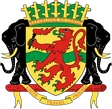
The flag, the coat of arms and the national anthem “La Congolaise” are the emblems of the Republic of the Congo. The national motto is “Unity, Work, Progress”.
Geography
At the heart of Central Africa, the Republic of the Congo covers 342,000 km² between the Equator and the Tropic of Capricorn. It borders Gabon, Cameroon, the Central African Republic, the Democratic Republic of the Congo and the Angolan enclave of Cabinda. Its Atlantic coastline runs for 170 km.
People and society
The Congo has about 6.2 million inhabitants (2023). The population is mainly urban, concentrated in Brazzaville, the political capital, and Pointe-Noire, the economic capital and main oil port. The country is marked by its ethnic and linguistic diversity: French is the official language; Lingala is widely spoken as a lingua franca across the country; Kituba is found mainly in the south-west and in certain cities. Both are national languages.
Institutions
The Republic of the Congo is a presidential republic. The President of the Republic is the Head of State. Parliament is bicameral, made up of the National Assembly and the Senate. The 2015 Constitution sets out the organisation of public powers.
Natural wealth
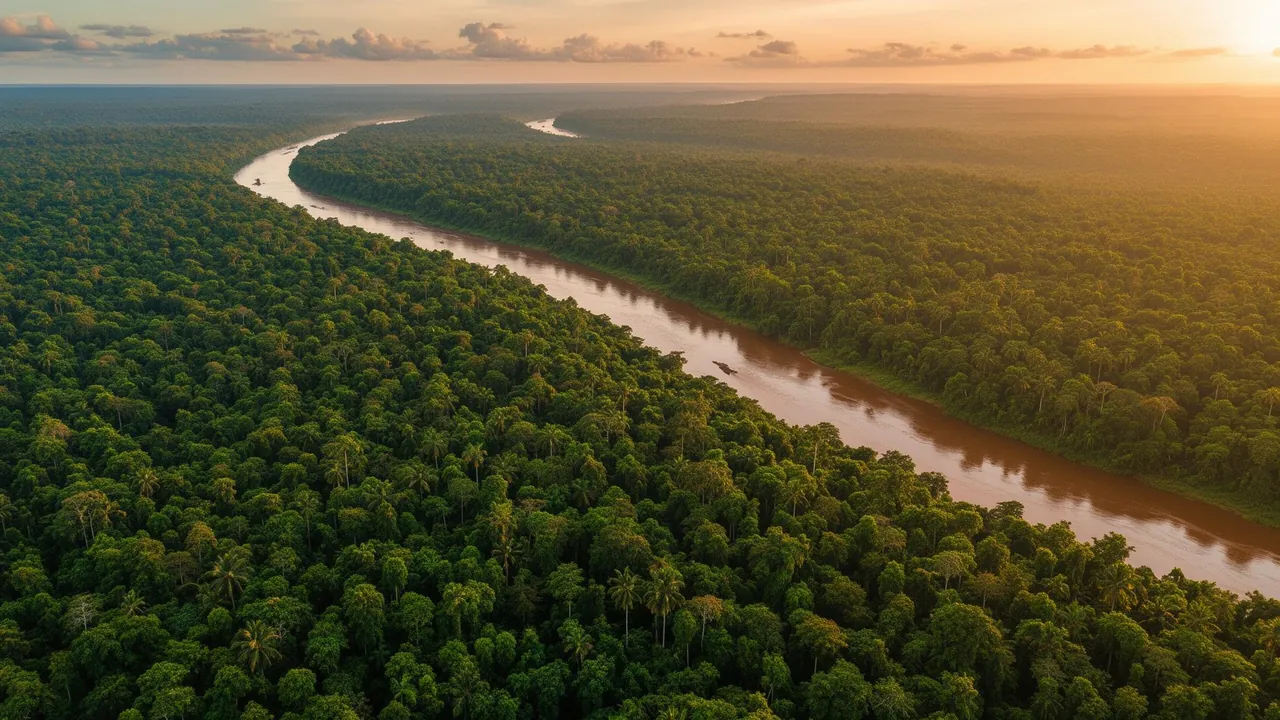
The Congo holds considerable natural resources: oil, timber, minerals and an exceptional biodiversity. The Congo Basin, the second largest tropical forest in the world, covers about 70 per cent of the national territory.